Founder Story · Race Report
High Cascades 100: The Race That Confirmed More Than It Tested
"You don't cross the finish line as the same rider who rolled away from the start."
The High Cascades 100 has a way of exposing every weakness while rewarding every hour of preparation.
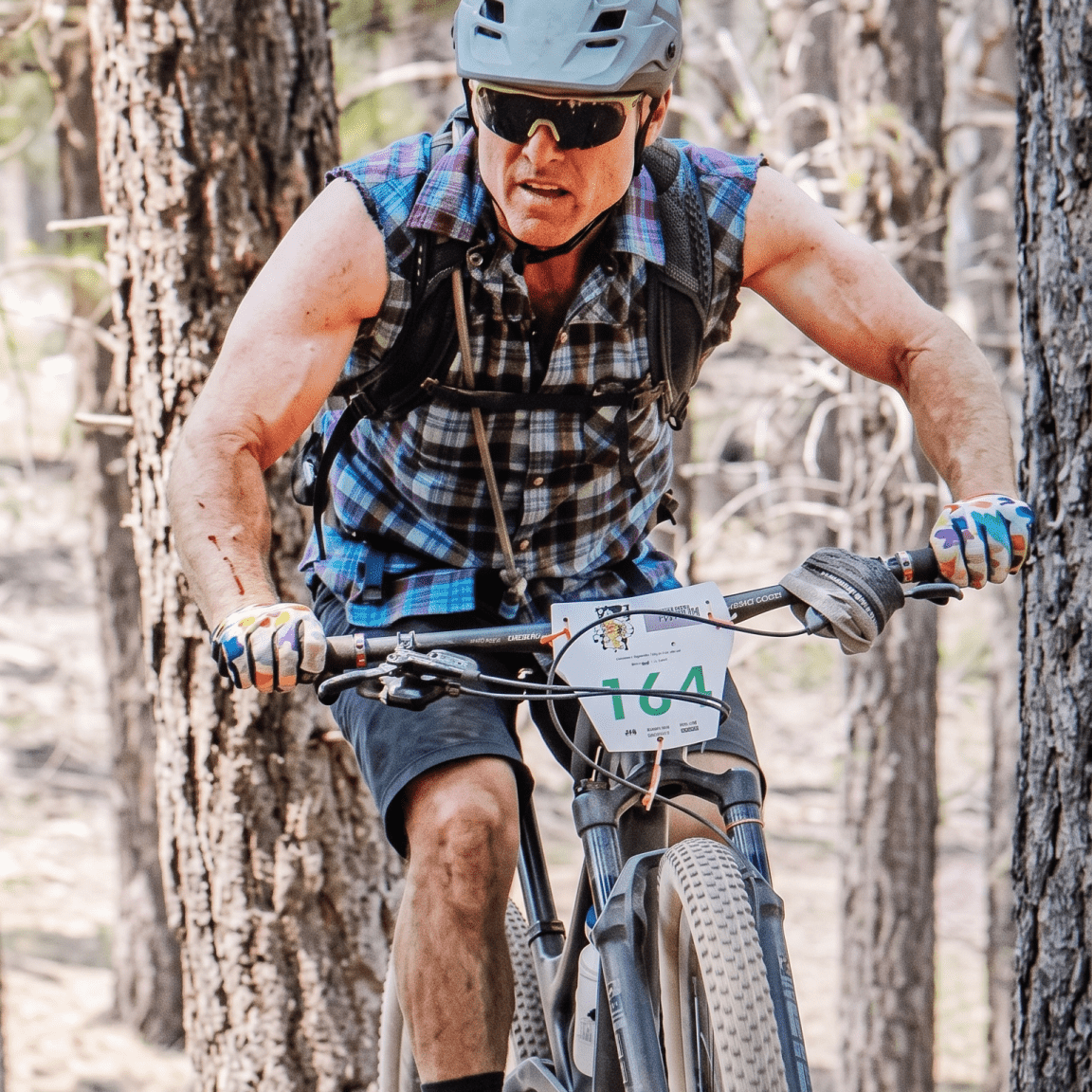
One hundred miles, 9,400 feet of climbing, endless stretches of flowing singletrack, and enough time alone with your thoughts to discover what really matters. Crossing the finish line in 11:09 wasn't just about completing another endurance race. It became a reflection of months of preparation and a reminder that success isn't always measured by the stopwatch.
When I signed up for the race, my goal wasn't simply to survive the distance. I wanted to arrive at the start line knowing I had prepared as well as I possibly could. Looking back, that's probably the part of the race I'm most proud of.
Prepared, and present
"Rather than thinking about how much farther I had to go, I focused on the section of trail directly in front of me."
Over the months leading up to the event, I focused on building endurance rather than chasing speed. Long rides, consistent training, thoughtful recovery, and dialing in my nutrition gave me confidence that I could handle whatever the course had to offer. When race day arrived, I never questioned whether I was fit enough. My body and mind were ready.
One of the biggest victories came from my fueling strategy. Throughout the race I relied on Hammer Nutrition's Perpetuem and HEED, supplemented with electrolyte tablets, and the plan worked exactly as I had hoped. My energy remained remarkably steady from start to finish. I never experienced the dreaded bonk that can derail an endurance race. My stomach cooperated, my pacing stayed consistent, and mentally I felt engaged throughout the entire day.
Perhaps the greatest surprise was how strong my mindset remained. Anyone who has spent eleven hours on a mountain bike knows that difficult moments are inevitable. There are times when the climbs feel endless, the miles seem to slow down, and your body starts negotiating with your mind. Fortunately, my headspace never unraveled. Rather than thinking about how much farther I had to go, I focused on the section of trail directly in front of me. One climb, one descent, one aid station at a time. That simple approach kept me present and allowed me to continue moving forward without feeling overwhelmed by the enormity of the day.
The real limiter wasn't the legs
"Hydration, not calories, is where I left time on the course."
Ironically, the biggest challenge I faced wasn't fitness or nutrition. It was hydration. As the day wore on, I simply wasn't replacing fluids at the rate my body was losing them. Despite drinking consistently, dehydration slowly became the limiting factor in my performance. It wasn't severe enough to end my race, but it was enough to recognize that hydration, not calories, is where I left time on the course. It's a valuable lesson because it's one I can address. My next hundred-mile race won't require dramatically more training. It will require a more disciplined hydration strategy from the very first hour.
Like every endurance event, the race also highlighted areas where I can become more efficient. On the long, sustained climbs I'd like to improve my cadence, spinning a little more efficiently instead of relying on strength and torque. Over the course of a hundred miles, those small efficiencies add up.
Another challenge comes from something I can't completely change: multiple shoulder surgeries. After hours on rough terrain, my shoulders become fatigued long before my legs do. It's a reminder that endurance isn't only about cardiovascular fitness. It's also about managing the physical history we all carry with us and continuing to adapt our training around it.
The setup that got it done
One piece of equipment that never gave me a second thought was my bike. My Ibis Exie USA, equipped with 100mm of rear travel and a 120mm Fox fork, was absolutely dialed. It climbed efficiently, descended confidently, and handled everything the High Cascades course threw at it. The best race bikes are the ones you stop thinking about because they're doing exactly what they're supposed to do, and that's exactly how the Exie performed.
Frame: Ibis Exie USA
Rear Travel: 100mm
Fork: 120mm Fox
Climbed efficiently, descended confidently, and handled everything the High Cascades course threw at it.
Hammer Nutrition Perpetuem and HEED, supplemented with electrolyte tablets.
Energy remained remarkably steady from start to finish, with no bonk and a cooperative stomach the entire day.
The miles I wouldn't trade
"I spend most climbs trying to chase her uphill, while she seems to spend every descent chasing me back down."
One of the biggest reasons this race was so rewarding started months before the starting gun ever went off. I was fortunate to train alongside my best friend, Amy. We logged countless miles together, pushing one another through long endurance rides, suffering through tough intervals, and sharing plenty of laughs along the way. Those training days became just as memorable as race day itself.
For the third High Cascades 100 in a row, Amy crossed the finish line ahead of me, and honestly, I couldn't be more excited for her. Watching her continue to grow as a rider and athlete has been incredibly rewarding, and seeing her hard work pay off is something I'm genuinely proud of. We have a friendly rivalry on the course that's become part of our training. I spend most climbs trying to chase her uphill, while she seems to spend every descent chasing me back down. It keeps us motivated, pushes us both to become better riders, and reminds us not to take ourselves too seriously. We make a great team, and I wouldn't trade those miles together for anything.
Learning, adapting, returning a little wiser
"The finish line lasts only a moment. The lessons stay with you long after the race is over."
As I reflect on the experience, I'm grateful for what the High Cascades 100 taught me. It confirmed that my training worked. It validated my nutrition strategy. It reinforced the importance of staying mentally present during long endurance events. Most importantly, it showed me that my biggest opportunities for improvement aren't massive changes, they're small refinements.
Hydrate more intentionally. Spin a smoother cadence on the long climbs. Continue building strength around my shoulders.
Looking ahead, my training won't change dramatically, but it will become more intentional. Long endurance rides will continue to be the foundation of my preparation, but I also want to keep building overall athleticism through CrossFit and HYROX-style workouts. Those sessions have made me stronger, more resilient, and better prepared for the physical demands that extend well beyond simply turning the pedals. I'll also place a greater emphasis on high-intensity cycling intervals designed to raise my lactate threshold and improve my ability to sustain higher heart rates on long climbs. I believe the combination of endurance, strength, mobility, and focused cardiovascular training will make me a more complete rider.
At 57 years old, I'm no longer chasing podiums or trying to win races. Those days have given way to something that, for me, is far more rewarding. I ride to stay fit, to challenge myself, and to keep my mind focused on setting and achieving meaningful goals. I ride because I genuinely enjoy the process: the early mornings, the long training days, and the satisfaction that comes from preparing for something difficult. Most of all, I ride to create new memories with like-minded people who share the same passion for the outdoors, adventure, and pushing themselves just a little farther than they thought they could. Those experiences are worth far more than any finishing position.
Every finish line represents both an ending and a beginning. The High Cascades 100 gave me confidence that I'm capable of riding strong for one hundred miles. It also reminded me that endurance sports are never about perfection. They're about learning, adapting, and returning a little wiser each time.
As cyclists, it's easy to chase faster times, better placings, or the next piece of equipment. Those goals are part of the sport, but races like the High Cascades remind me that the real reward comes from the preparation, the discipline, and the opportunity to test yourself against something genuinely difficult. The finish line lasts only a moment. The lessons stay with you long after the race is over.
That's the beauty of endurance mountain biking. It isn't just about crossing a finish line. It's about the people you share the miles with, the lessons you learn along the way, and the memories you create long after the race is over. You don't cross the finish line as the same rider who rolled away from the start. You finish carrying a little more experience, a little more humility, and an even greater appreciation for the next adventure waiting down the trail.